- Best season: April to December
- Peak diving: July to September
- Average cost: $1,500 – $3,500 per person
Understanding Bali to Komodo Liveaboard Seasons
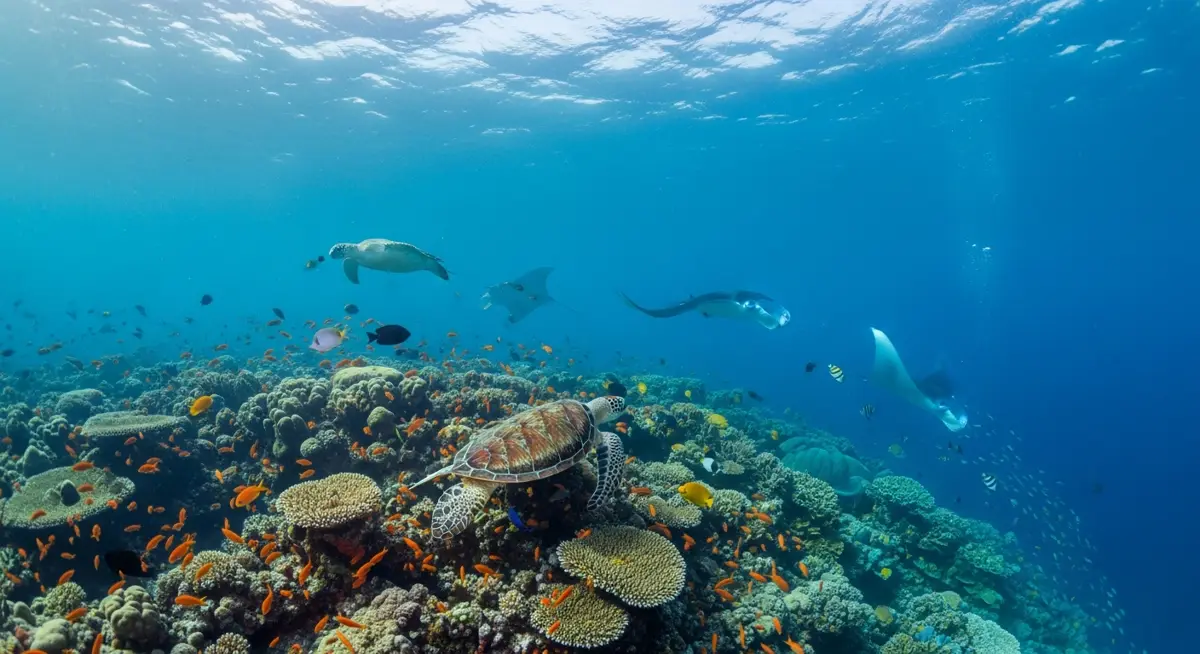
Traveling from Bali to Komodo via liveaboard offers a unique experience to explore Indonesia’s vibrant marine life and striking islands. The best time for such excursions is crucial for optimizing your adventure and ensuring favorable sea conditions.
Seasonal Breakdown
Understanding the seasons can significantly enhance your trip experience. The Bali to Komodo liveaboard seasons are characterized by two main phases: the dry season and the wet season.
Dry Season: April to December
– April to June: This period marks the beginning of the dry season, where rainfall is minimal, and sea conditions are generally calm. Visibility underwater can range between 15 to 30 meters, making it ideal for diving.
– July to September: Peak season for diving. The water temperature averages around 26°C to 29°C with excellent visibility. Marine life is abundant, and divers can expect to see manta rays, sharks, and vibrant coral reefs. However, this is also the busiest time, so early booking is recommended.
– October to December: As the dry season comes to an end, conditions remain favorable, but water temperatures may start to cool slightly. While diving opportunities are still plentiful, fewer tourists result in a more tranquil experience.
Wet Season: January to March
The wet season can impact liveaboard experiences. While some operators still run trips, sea conditions can be rougher, and visibility underwater may decrease. Rainfall is common, and strong winds can lead to choppy waters, making the journey less enjoyable. However, for those seeking to avoid crowds and looking for potential deals, this can be a suitable time to consider.
Sea Conditions Overview
Sea conditions between Bali and Komodo can vary significantly based on the season. Understanding these fluctuations is vital for a successful liveaboard experience.
Wind and Currents
– Dry Season: Winds are typically lighter, resulting in smoother sailing conditions. Currents are manageable, but can vary depending on specific dive sites.
– Wet Season: Stronger winds can lead to choppy seas, particularly in January and February. Currents may also be stronger, which can affect diving experiences.
Visibility and Water Temperature
– Visibility: Best during the dry season, often exceeding 30 meters in peak months.
– Water Temperature: Ranges from 26°C to 30°C. Cooler temperatures may be experienced towards the end of the year, particularly in November and December.
Cost Considerations
The price of Bali to Komodo liveaboard trips varies depending on the season, duration, and level of luxury. Here’s a general overview of what to expect:
- April to June: $1,500 to $2,500 per person for a 5-7 day trip.
- July to September: $2,500 to $3,500 per person, with peak prices due to high demand.
- October to December: $1,500 to $2,800 per person, with potential discounts as the season winds down.
Booking early can help secure better rates, especially during peak months. Special packages may also be available, offering tailored experiences based on your interests, whether diving, snorkeling, or simply relaxing on board.
Best Practices for a Successful Liveaboard Experience
To maximize your experience on a liveaboard from Bali to Komodo, consider the following tips:
- Plan Ahead: Book your trip several months in advance, particularly if you’re traveling during peak season.
- Stay Flexible: Be prepared for potential changes in itinerary due to weather conditions. Operators often adjust routes based on current sea conditions.
- Pack Accordingly: Bring appropriate diving gear, but check with your operator regarding rental options. Include light clothing and a waterproof jacket for unexpected rain.
- Communicate Preferences: Inform your liveaboard crew about any specific interests, whether diving, snorkeling, or relaxation, to tailor your experience.
Exploring Beyond Komodo
While your liveaboard will primarily focus on the Komodo National Park, consider extending your travels to nearby regions like Raja Ampat, Flores, or Sulawesi. Each area offers unique diving experiences and landscapes, enriching your journey through Indonesia.
Raja Ampat
Known for its incredible biodiversity, Raja Ampat is often regarded as one of the best diving destinations in the world. Trips can be arranged from various points in Indonesia, including Bali.
Flores
Flores offers a different experience, with striking landscapes and cultural richness. It’s also a great starting point for diving excursions, especially for those interested in more remote areas.
Sulawesi
Sulawesi is recognized for its unique marine ecosystems and is home to several diving hotspots. Consider an additional liveaboard trip to explore this region after your Bali to Komodo adventure.
Booking Your Liveaboard
For those ready to begin a Bali to Komodo liveaboard journey, detailed planning is essential. You can explore various packages, itineraries, and pricing options through our informative platform. Check out our booking details for more insights and personalized recommendations.
Optimal Time for Bali to Komodo Liveaboard Adventures
For divers seeking the best underwater visibility and calm seas, planning a trip between April and November is ideal. This period typically offers favorable conditions, allowing you to fully immerse in the diverse marine ecosystem. Dry season months provide the opportunity to witness vibrant coral reefs and a wealth of marine life, including manta rays and turtles.
Planning specifics? See see current rates or compare packages.